Shyld protection
Why opening a Dispute does not mean an automatic refund
A Dispute pauses ordinary release. Evidence, agreed conditions, and the resolution steps determine what can happen next.

Opening a Dispute records a concern
A Dispute tells SHYLDA that something about the protected Deal needs to be addressed. It pauses ordinary release while the applicable resolution steps run. It does not automatically decide that the Buyer should receive funds back or that the Seller has fulfilled correctly.
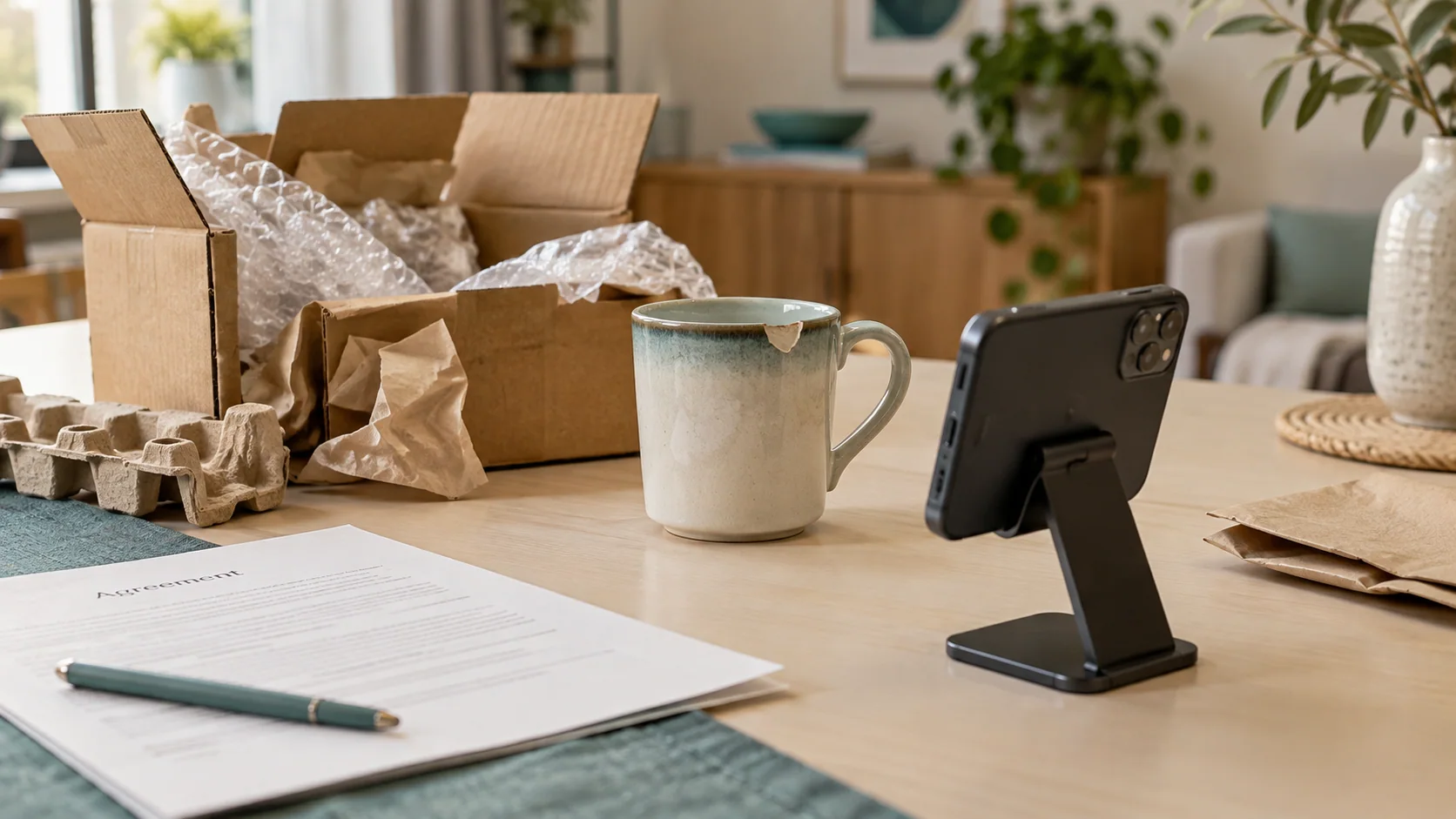
Suppose a parcel contains one item when the Deal records two. Opening a Dispute preserves the concern within the applicable window. The agreed quantity, what arrived, and the available evidence then give both participants a concrete problem to address.
Describe the difference from the agreement
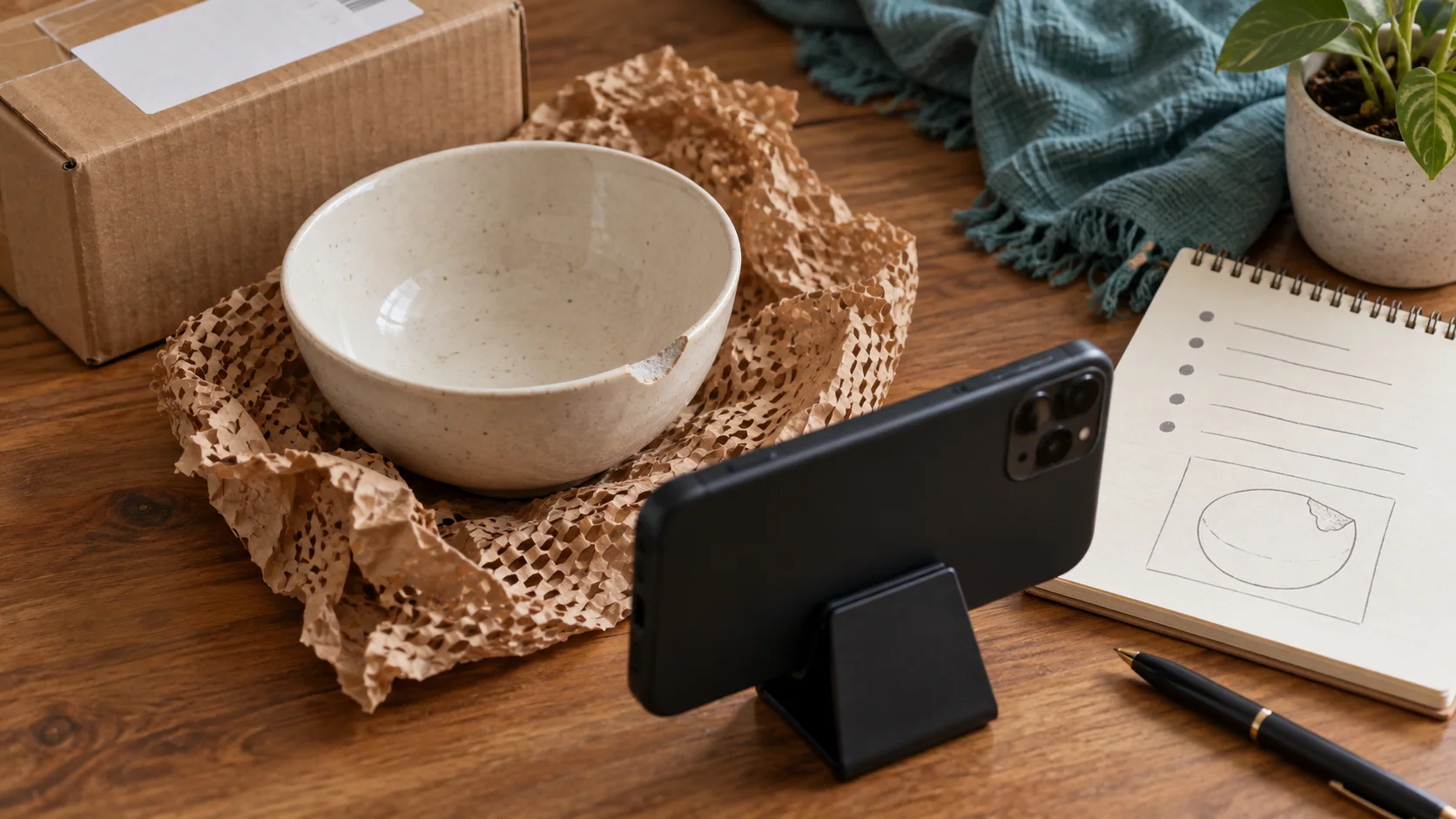
State what was promised, what happened, and which outcome you are asking for. Add relevant photos, videos, delivery records, or work evidence through the Deal. Keep your explanation factual and respond to the other participant's evidence.
Evidence supports the discussion; it is not a substitute for the required receiving or return steps. A photo of a parcel, for example, does not by itself complete a return. Follow the agreed instructions and record each requested action rather than assuming that submitting evidence finishes the process.
What if we disagree about the outcome?
Work from the accepted terms and the outcomes available for that Deal. If a return policy permits a replacement as well as returning item funds, the participants must follow the applicable selection and response steps. A preferred outcome is a request, not permission to ignore the agreement.
An optional repair needs Buyer acceptance. The Seller cannot impose it simply because repairing seems easier, and the Buyer should check whether accepting a proposal affects the next required step. Keep the recorded decision and any changed instructions together in SHYLDA.
What if the other person stops replying?
Check whether your Deal is waiting for discussion or for a step with a predefined consequence. Ordinary release stays paused during the Dispute, but an agreed return can still reach an outcome under its own rules.
For example, missing receiving instructions can trigger the agreed return of item funds. Missing the Buyer's agreed dispatch deadline can instead lead to item funds being released to the Seller. Those are consequences accepted for particular steps, not SHYLDA deciding who told the truth. Read the action and deadline shown in your Deal and complete your part on time.
What if I ask support to choose a winner?
Support can help you understand the next step, organise the relevant context, and consider a neutral recommendation. It cannot independently authorize release or return of funds just because one participant asks for it.
If a participant agreement is needed, record it through the Deal. If a predefined condition already applies, follow that condition. Repeated Support Requests do not themselves create a different financial outcome. Once an amount has been finally released, a later complaint cannot reverse that release through a new Dispute.
Raise the concern while protection applies
Inspect goods and review work within the applicable window. Open the Dispute in SHYLDA before the affected amount releases, add clear evidence, and follow the instructions for the selected outcome. If you need help understanding a step, create a Support Request without waiting for the deadline to pass.